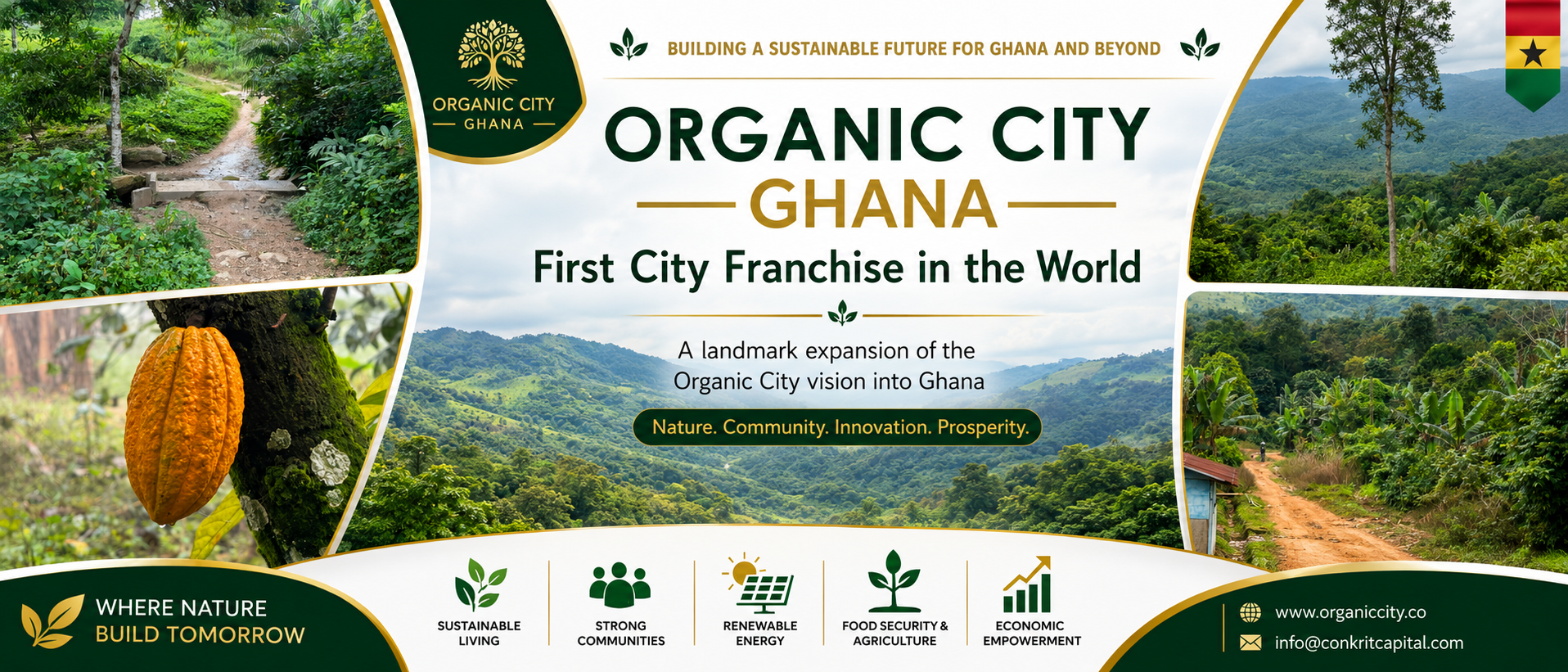
Most cities are built to expand. Organic City is built to sustain.
Organic City was created to challenge the way modern cities are designed. Instead of separating housing, food production, education, healthcare, and jobs, the city brings them together into one connected system that supports both people and the environment.
At its core, Organic City is designed to function like a living organism. Energy, water, food, education, healthcare, and commerce are interconnected—each system strengthening the others to create a stable, resilient community.
An Integrated City Model
This is why Organic City seamlessly integrates:
-
Eco-friendly homes built with sustainability and affordability in mind
-
Advanced agriculture zones producing fresh, local food
-
Industrial production hubs that create jobs and reduce construction costs
-
Education and research institutions focused on future skills
-
Premium healthcare services accessible to all residents
-
Community spaces for learning, collaboration, and innovation
By planning these elements together, Organic City reduces waste, lowers living costs, and improves quality of life.
People First, Always
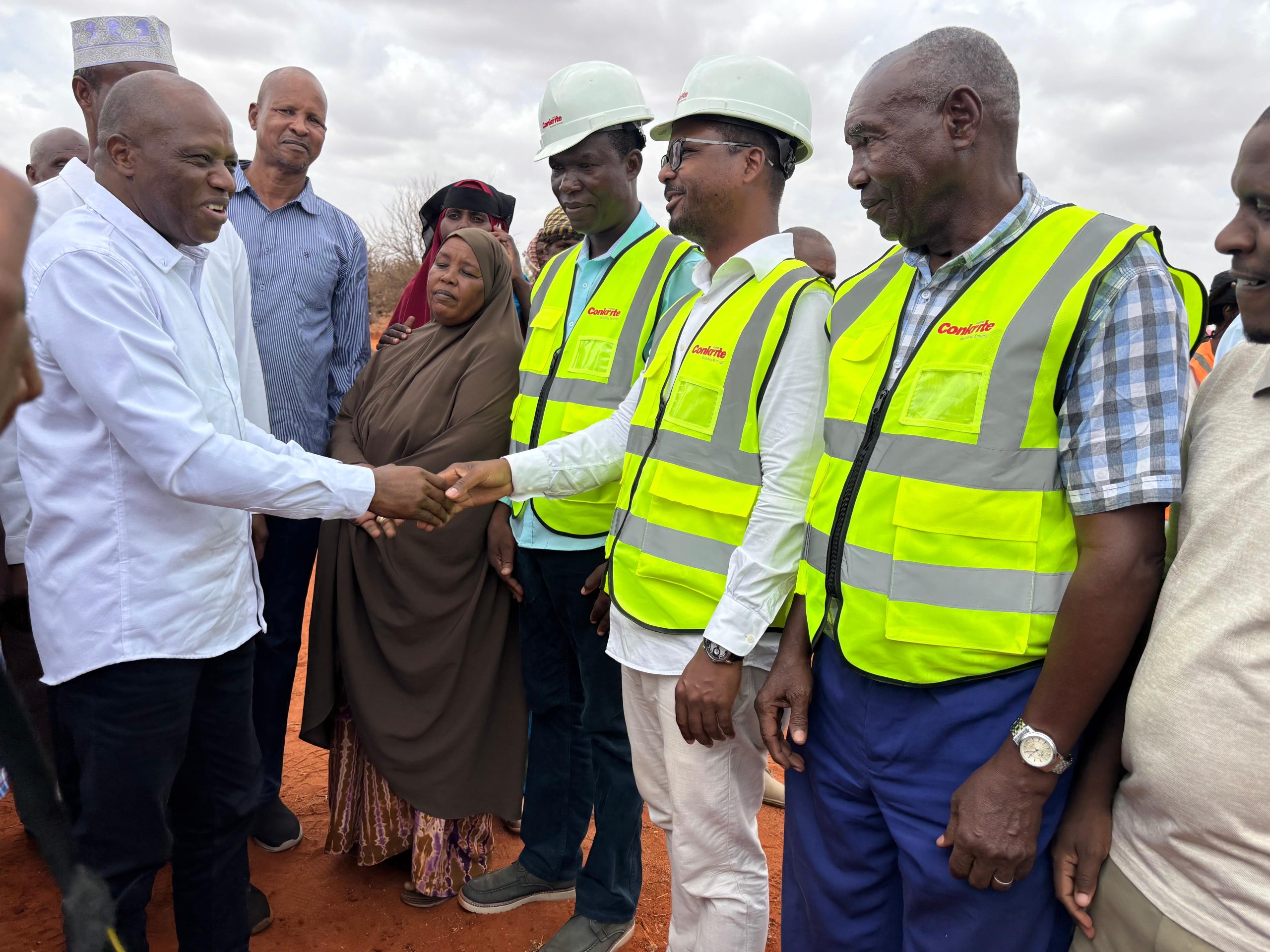
Every decision is guided by human dignity and long-term impact. The city empowers local workers, trains youth, and provides families with access to affordable housing without compromising quality or sustainability.
Organic City is not imported development. It is African-led, African-built, and African-owned—designed to serve real people, strengthen local communities, and set a new standard for sustainable urban living